PA OBLIQUE WRIST PROJECTION
Specialized oblique projection for lateral carpus, trapezium, and scaphoid evaluation
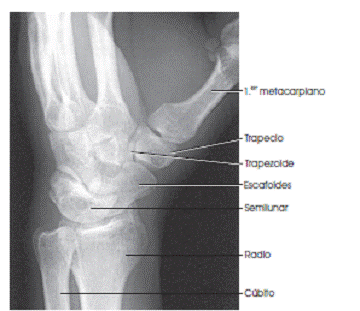
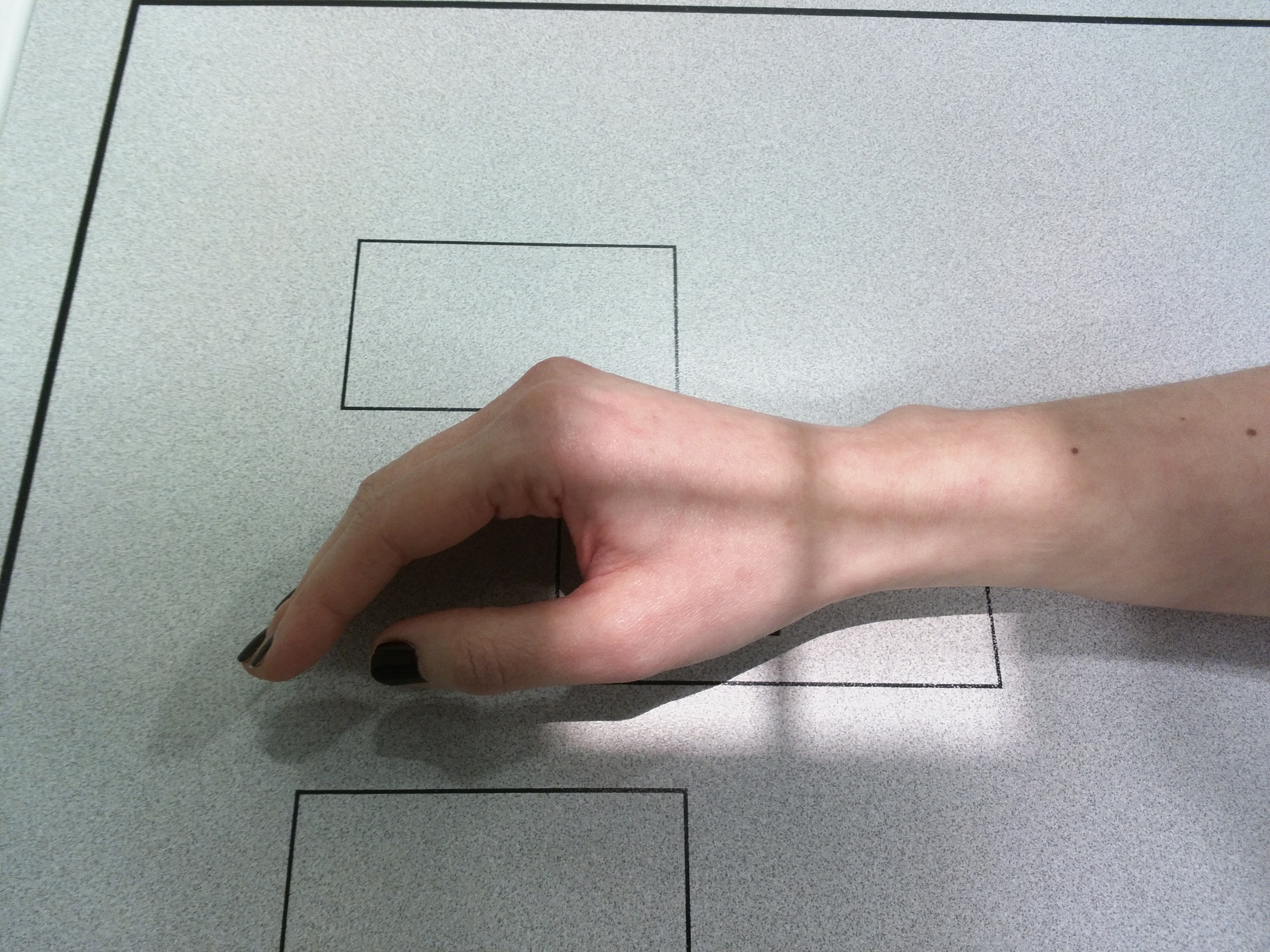
SPECIALTY OF THIS PROJECTION
The PA oblique wrist projection is specifically designed to:
- Visualize carpal bones on the lateral side of the wrist
- Evaluate trapezium and scaphoid without superimposition
- Address the limitation of the direct PA projection where the scaphoid superimposes on itself
- Visualize the trapezio-trapezoid and scapho-trapezial joint spaces
- Provide a profile view of lateral structures of the carpus
Exposure Factors
Optimal for bone contrast
Moderate exposure
Standard parameters: Similar to lateral projection for consistency in comparative studies
Visible Anatomical Structures
In a 45° PA oblique projection, the following should be observed:
- Trapezium and distal half of the scaphoid well visualized
- Distal radius and ulna
- Full carpus and proximal half of metacarpals
- Trapezio-trapezoid and scapho-trapezial joint spaces open
- Small interosseous space between shafts of 3-4 and 4-5 metacarpals
- Slight overlapping of distal radius and ulna
- Soft tissues and bony trabeculation preserved
- Lateral side carpal bones without superimposition
Radiographic Plate Configuration
18 × 24 cm divided longitudinally into 2 portions
- Purpose: Perform 2 projections on the same plate
- Projection 1: PA wrist (first third)
- Projection 2: PA oblique wrist (this technique, second third)
- Alternative: Can also be used for AP projection
- Advantage: Resource efficiency and direct comparison
- Technique: Use cone or diaphragm to limit beam to the corresponding portion
Patient Positioning
IMPORTANCE OF THE 45° FOAM WEDGE
The 45° foam wedge serves critical functions in this projection:
- Angular Precision: Ensures exact 45° rotation
- Reproducibility: Allows for exact comparison in serial controls
- Comfort: Improves patient tolerance of positioning
- Stability: Prevents movement during exposure
- Standardization: Technical uniformity between different operators
Note: The wedge should be placed under the elevated side of the wrist (thumb side)
Central Ray
Enters immediately distal to the radius
Specific characteristics:
- Direction: Perpendicular to the plate
- Target: Mid-carpal area
- Entry point: Immediately distal to the radius
- Angulation: 0° (no vertical angulation)
- Purpose: Optimal centering for lateral carpal visualization
ADVANTAGE OVER DIRECT PA PROJECTION
Problem in Direct PA: The scaphoid superimposes on itself
Solution in PA Oblique: 45° rotation allows for:
- Full visualization of the scaphoid without superimposition
- Evaluation of scaphoid fractures not visible in PA
- Visualization of the scapho-trapezial joint
- Detail of trapezium and trapezoid
- Open lateral joint spaces
Optimal Image Criteria
Key Structures
Trapezium and scaphoid visible
Joint spaces open
No critical superimposition
Correct Rotation
Exact 45° rotation
Lateral carpus in profile
Metacarpals in position
Full Inclusion
Distal radius and ulna
Full carpus
Proximal metacarpals
Patient Instructions
"Remain still during the examination"
Maintain the 45° oblique position without moving during the radiographic exposure
Normal breathing, but hands and fingers must remain completely still
Specific Clinical Indications
Common Technical Challenges
Frequent problems in PA oblique wrist projection:
- Incorrect rotation (not exactly 45°)
- Lack of foam wedge causing variability
- Movement during exposure
- Misplacement on divided plate
- Incorrect centering of the beam
- Insufficient ulnar deviation for scaphoid study
- Patient discomfort in maintained position
- Persistent superimposition of structures
Solution: Always use a 45° foam wedge to guarantee the exact angle and reproducibility
COMPARISON WITH OTHER WRIST PROJECTIONS
Specific advantages of PA Oblique:
- Vs. Direct PA: Better visualization of scaphoid and trapezium
- Vs. Lateral: Better evaluation of lateral carpus
- Vs. Carpal Tunnel: Focus on lateral bony structures
- Vs. Scaphoid specific: Less angulation, more natural position
Limitations: Does not replace Direct PA projection for global carpal evaluation
Ideal as a supplement following standard PA and lateral when lateral pathology is suspected.